

When does a room becomes a psychological space?
Charlotte Perkins Gilman’s The Yellow Wallpaper is often read as a story about madness and oppression.
Yet the setting itself—the room, its color, its pattern, and its furnishings—plays a central role in the narrator’s psychological decline.
The narrator is confined to a former nursery at the top of the house. The room is large, sparsely furnished, and marked by physical restraints: barred windows, rings in the walls and an immovable bed.
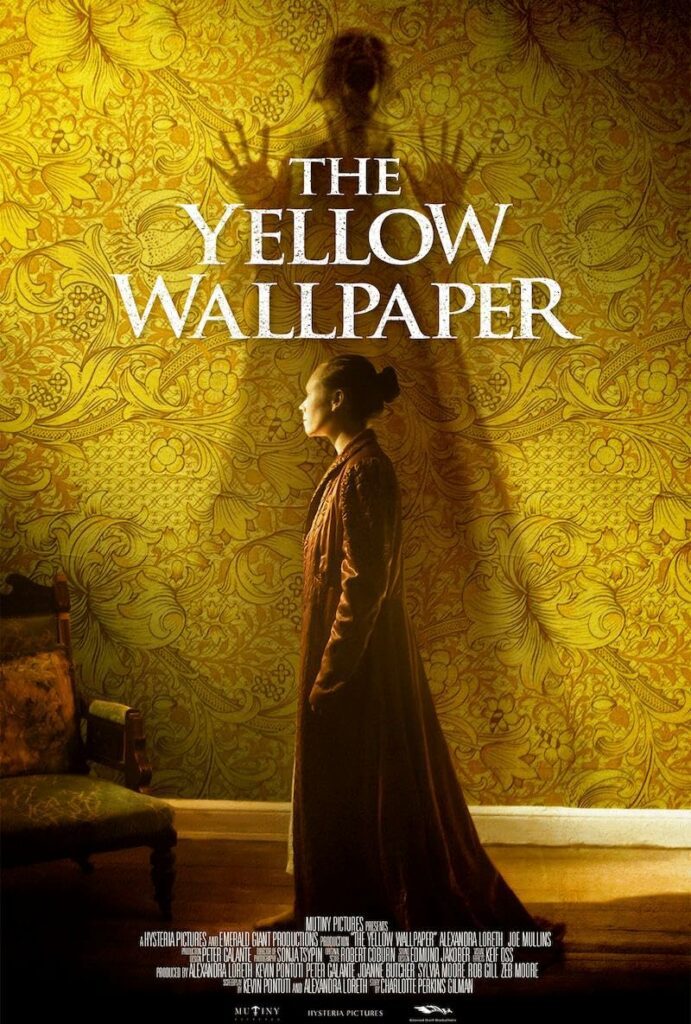
The room is not designed for healing, but for observation and containment. Although presented as a domestic interior, it resembles a clinical or punitive environment.
Modern interior design increasingly emphasizes the importance of personal identity, choice, and emotional comfort in living spaces. In contrast, the narrator’s room removes every possibility of self-expression. The environment reinforces her powerlessness long before her mental state visibly deteriorates.
The psychological effect of color and visual pattern
The wallpaper itself is the most striking element of the room. The narrator describes it as a “smoldering unclean yellow,” with a chaotic, aggressive pattern that resists visual order.
From a perceptual and psychological standpoint, this is significant. Highly saturated yellow can evoke stimulation, alertness, and even anxiety when overused or combined with high visual complexity. The wallpaper’s pattern lacks repetition and harmony, preventing visual rest. The narrator repeatedly attempts to “follow” the pattern, but it constantly breaks its own logic.
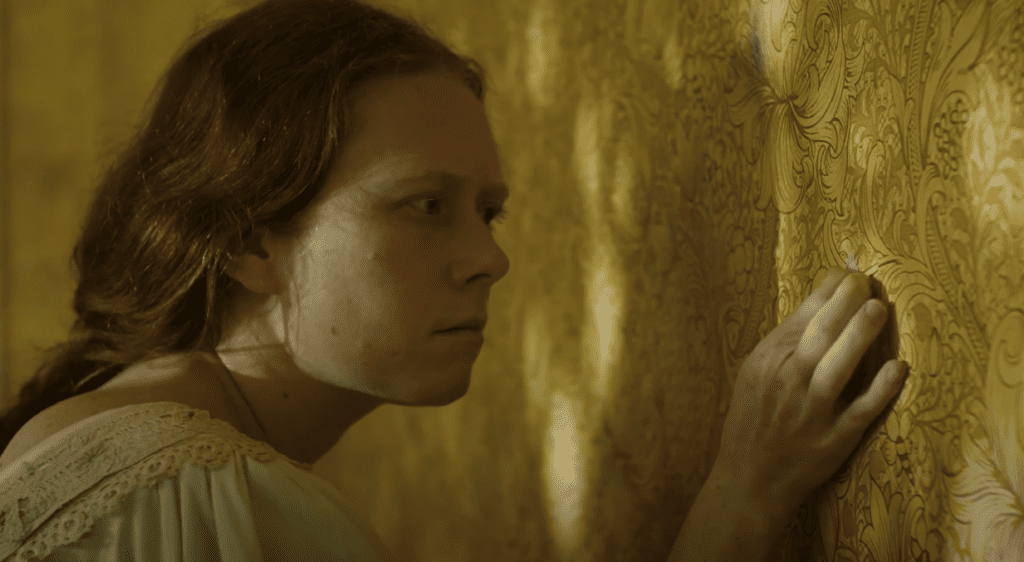
In contemporary environmental psychology and design research, visual coherence and predictability are considered essential for cognitive comfort.
The wallpaper instead creates perceptual overload. It becomes a constant, unavoidable stimulus in a room where the narrator is forced to remain almost all day. The space offers no visual refuge.
The narrator’s fixation on the wallpaper can therefore be read not only as a symptom of illness, but also as a reaction to prolonged exposure to a visually hostile environment combined with social isolation.
The interior space as a tool of control
The choice of this room is not accidental. It is chosen by John, the narrator’s husband and physician. He dismisses her discomfort with the wallpaper as irrational and childish.
Design decisions, in this context, become expressions of authority.
John controls where she sleeps, what she sees every day and also determines to her how the room should be interpreted.
The narrator is not allowed to participate in shaping her own environment. Her objections are medicalized and trivialized. The interior becomes a physical extension of her husband’s power: calm, rational, and functional according to male authority, but deeply distressing to the person who must inhabit it.
This highlights a central tension in design practice: spaces are often created according to abstract ideals of efficiency or order, while ignoring the emotional and psychological experience of their users.
Women, medicine, and the treatment of mental illness
The story is also a critique of how women’s mental suffering was understood in the late nineteenth century. The narrator is subjected to what was known as the “rest cure,” a treatment that imposed isolation, inactivity, and strict obedience, especially on women diagnosed with nervous disorders or depression.
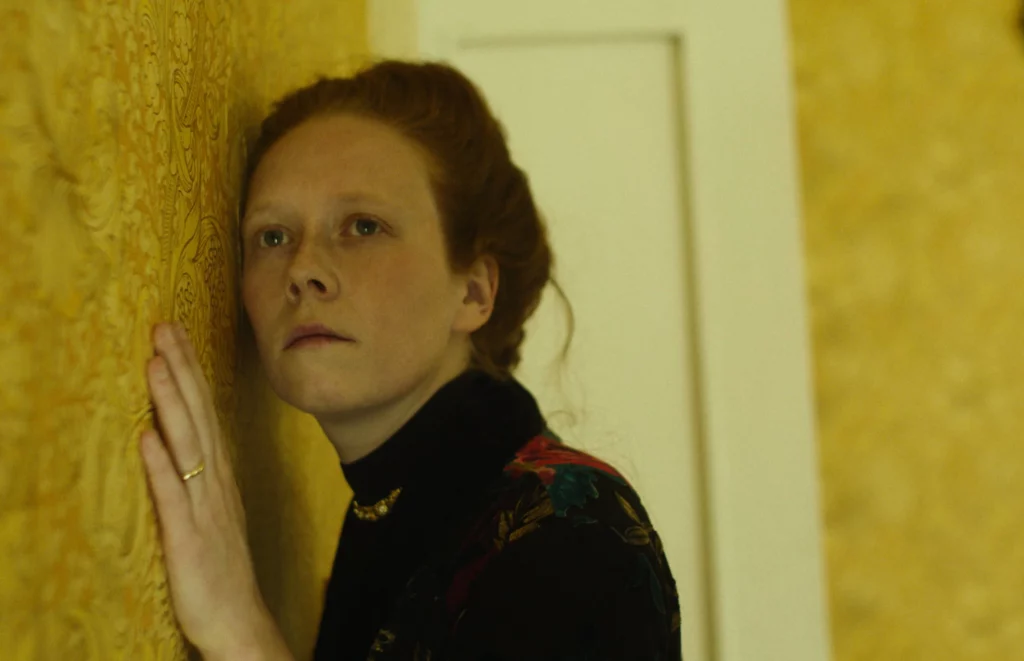
Her creative impulses—writing, imagination, and intellectual engagement—are explicitly forbidden. These activities are described as dangerous rather than therapeutic.
The room, stripped of intellectual and creative stimulation, reinforces this medical ideology. Instead of supporting recovery, the environment intensifies passivity and emotional suppression.
Today, mental health care increasingly recognizes the importance of autonomy, social connection, creative activity, and environmental comfort. The Yellow Wallpaper reveals how design and medical practices once worked together to silence women’s experiences rather than to understand them.
The woman in the wallpaper: identity and spatial entrapment
As the narrator begins to perceive a woman trapped behind the wallpaper’s pattern, the interior space transforms into a symbolic prison.
The woman’s struggle to escape mirrors the narrator’s own lack of agency—both socially and spatially. The wallpaper no longer functions merely as decoration. It becomes a surface onto which the narrator projects her own restricted identity.
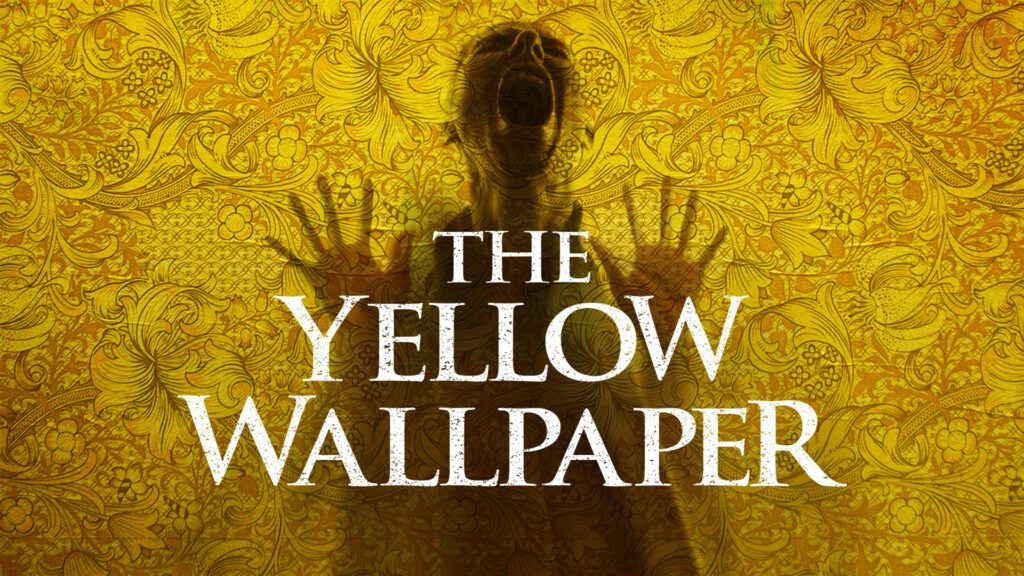
From a design perspective, this moment exposes how space can shape self-perception. When individuals are denied control over their surroundings, the environment may begin to represent their psychological boundaries.
The room does not simply contain the narrator’s breakdown—it participates in it.
Contemporary implications for interior design and well-being
Although the story was written in 1892, its message resonates strongly with contemporary design discourse.
Design choices—color palettes, visual complexity, lighting, spatial layout, and the possibility of personalization—can either support mental well-being or intensify vulnerability.
The story warns against treating interior environments as neutral backdrops. Instead, it suggests that spaces actively communicate values: who holds power, whose comfort matters, and whose voice is heard.
For designers today, especially when designing domestic, healthcare, or work environments, The Yellow Wallpaper offers an early literary reminder that well-being is not only psychological or medical, but spatial and visual.
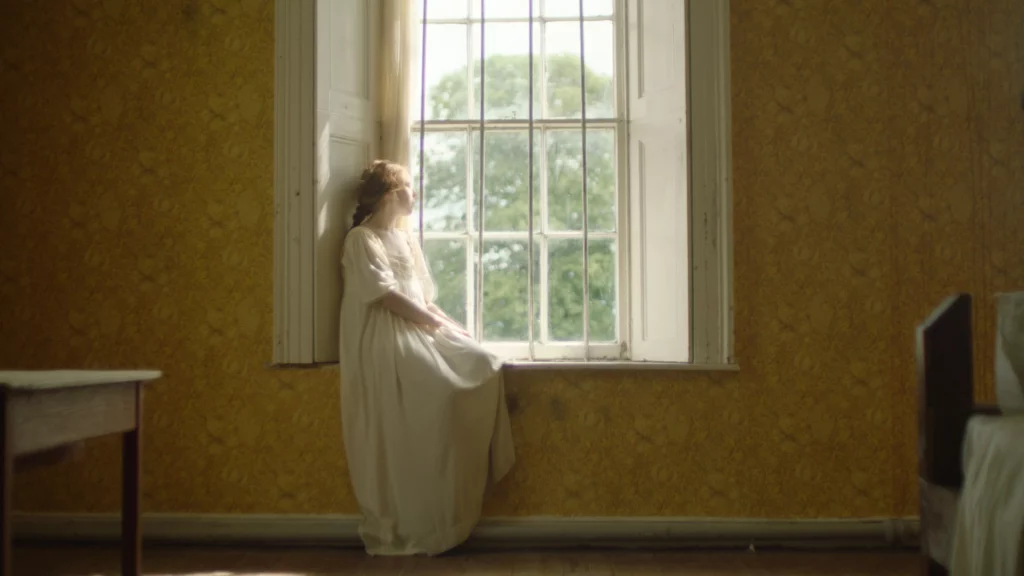
Charlotte Perkins Gilman demonstrates that interior design is never merely aesthetic. The narrator’s deterioration is inseparable from the space she inhabits, the color and pattern that dominate her visual field, and the social authority embedded in the design of the room itself.
By linking women’s historical medical treatment with spatial control and visual oppression, Gilman’s story invites us to reconsider how environments can either reinforce existing power structures or support emotional and psychological freedom.
More than a story about madness, The Yellow Wallpaper is a powerful reflection on how the spaces we design shape who we are allowed to become.